This allowance also known as a tax depreciation, is a tax deduction that property investors can claim for the decline in value of capital assets, including investment properties and their included assets. It accounts for the aging, wear and tear of the property over time. By claiming the tax allowance, property investors can reduce their.. Allowable expenses. You can deduct expenses from your rental income when you work out your taxable rental profit as long as they are wholly and exclusively for the purposes of renting out the.

Capital Allowances Commercial Property Unlock £000’s 123 Grants
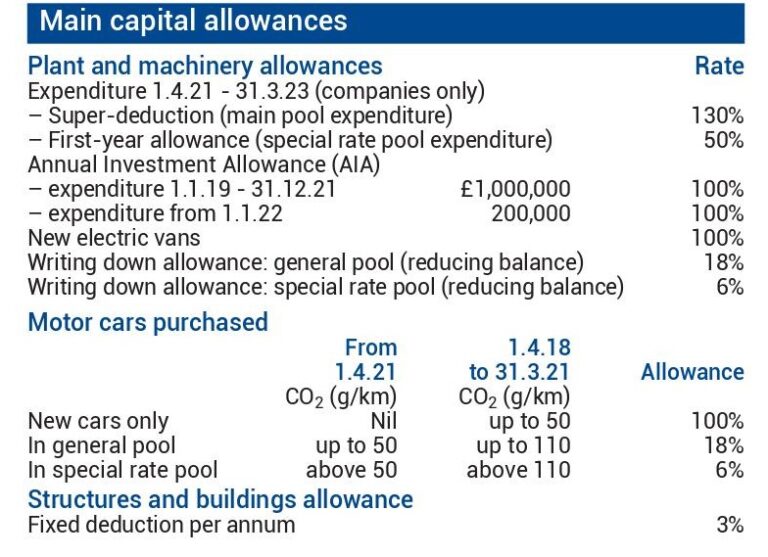
Capital Allowances
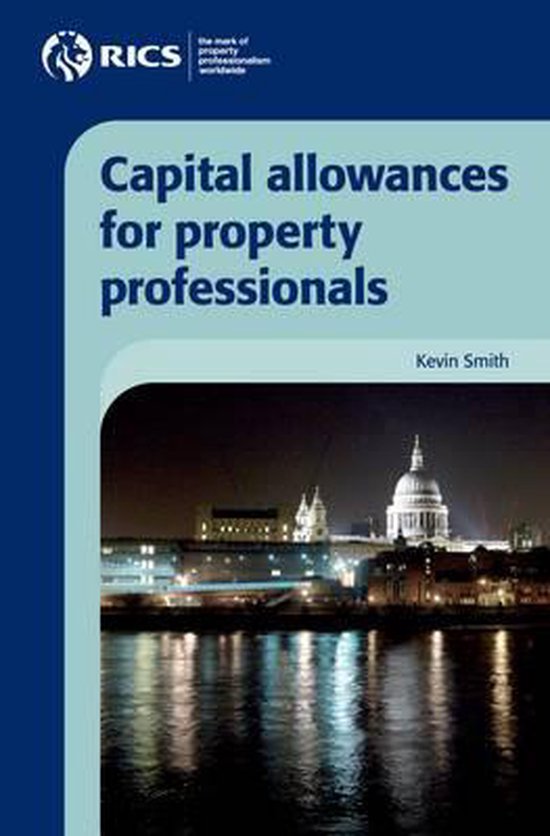
Capital Allowances for Property Professionals 9781842195246 Kevin Smith Boeken

Brief Guide to Capital Allowances Clear House Accountants

Capital Allowances on Commercial Property Transactions Tax Relief Advice Knight Frank (UK)

Capital allowances in property sales and purchases Harper Macleod LLP
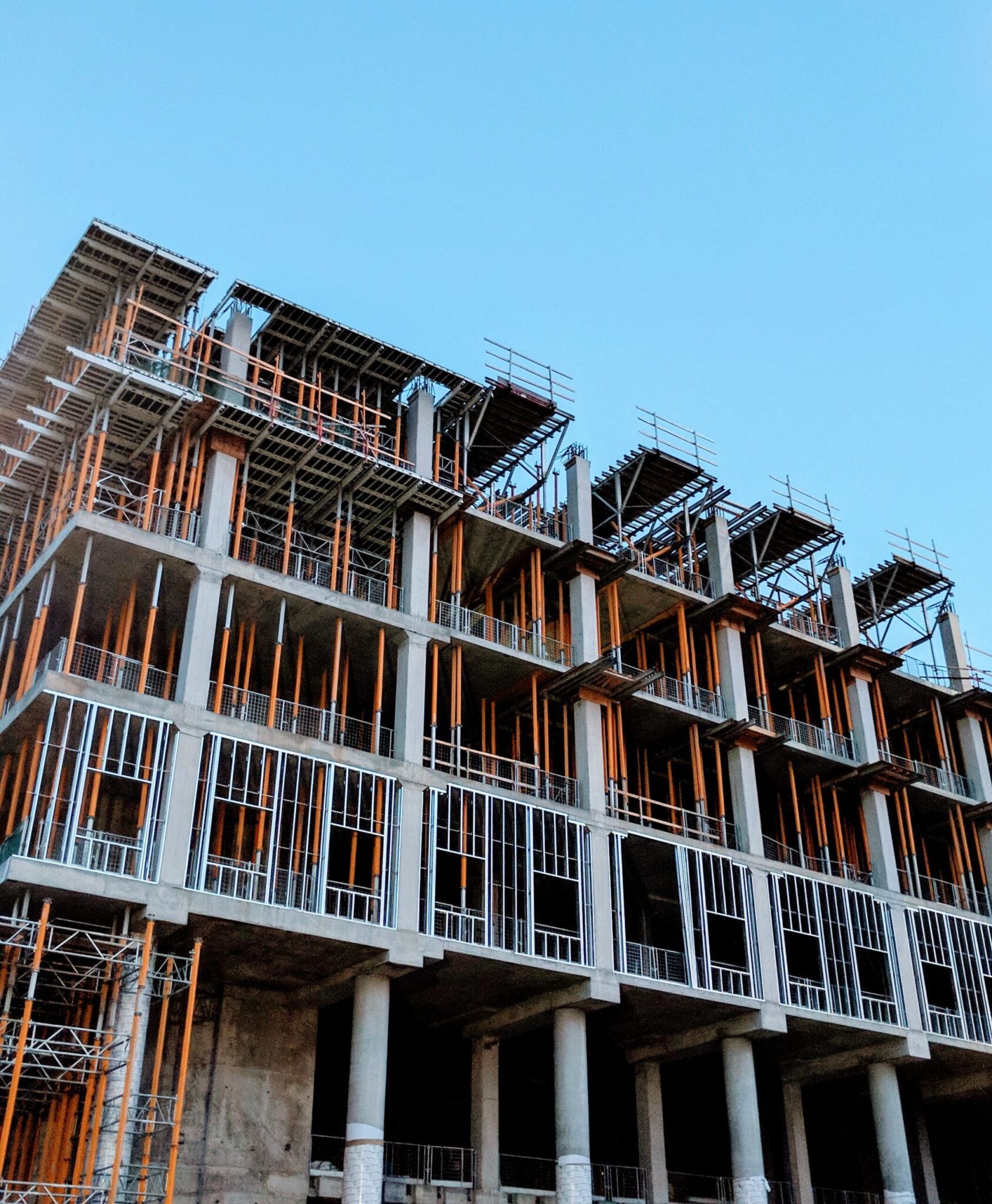
Capital Allowances on Buildings What You Need to Know Thomas Nock

R&D tax relief and Capital Allowances WhisperClaims

New penalty 2022 Header

5 tips for financing investment property TLOA Mortgage

Capital Allowance (What Can You Claim?) Taxoo

TAX3704 Lesson 2 Study material relating to capital allowances for tax purposes. (Part A) We

Capital Allowances New Rules Capital Allowance Review Service

What Are Capital Allowances and Who Can Claim?
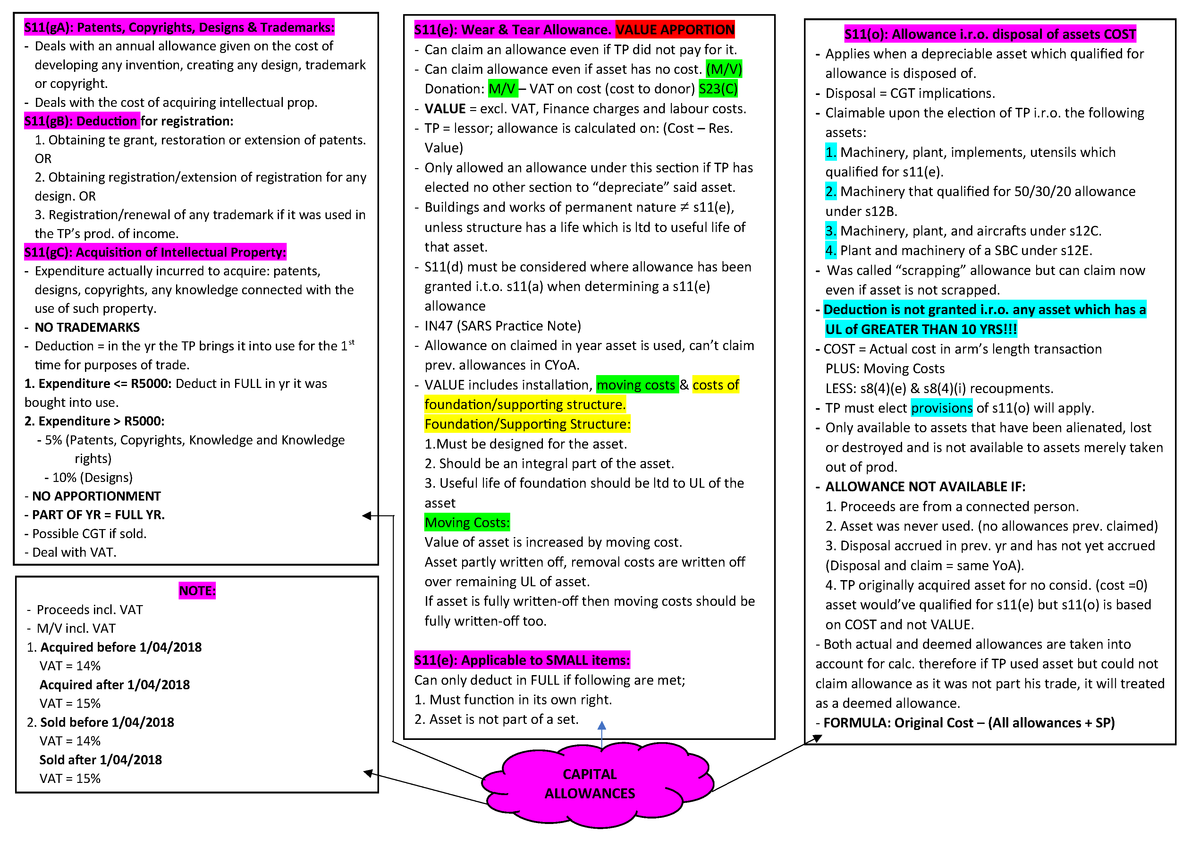
Capital Allowances and Recoupments Summary1 StuDocu

Capital Allowances & Capital Works (Rental Property) Nanak Accountants

Capital Allowances for Sole Traders All You Need to Know

Claim Capital Allowances Purchasing Commercial Property Cavetta Consulting Commercial

Capital allowances rules for property transactions from April 2014 Taxes humor, How to apply

New penalty 2022 Header
The basis period for computing capital allowances is the tax year or accounting period, unless the rental business is carried on by a trading or professional partnership (see PIM1010 and PIM1040.. DIVISION 43 – CAPITAL ALLOWANCES. Relate to structural components of your property (i.e. bricks, tiles, frames, trusses, joinery etc) and are depreciated at rates of 2.5% or 4% per year, depending on the buildings age and use.